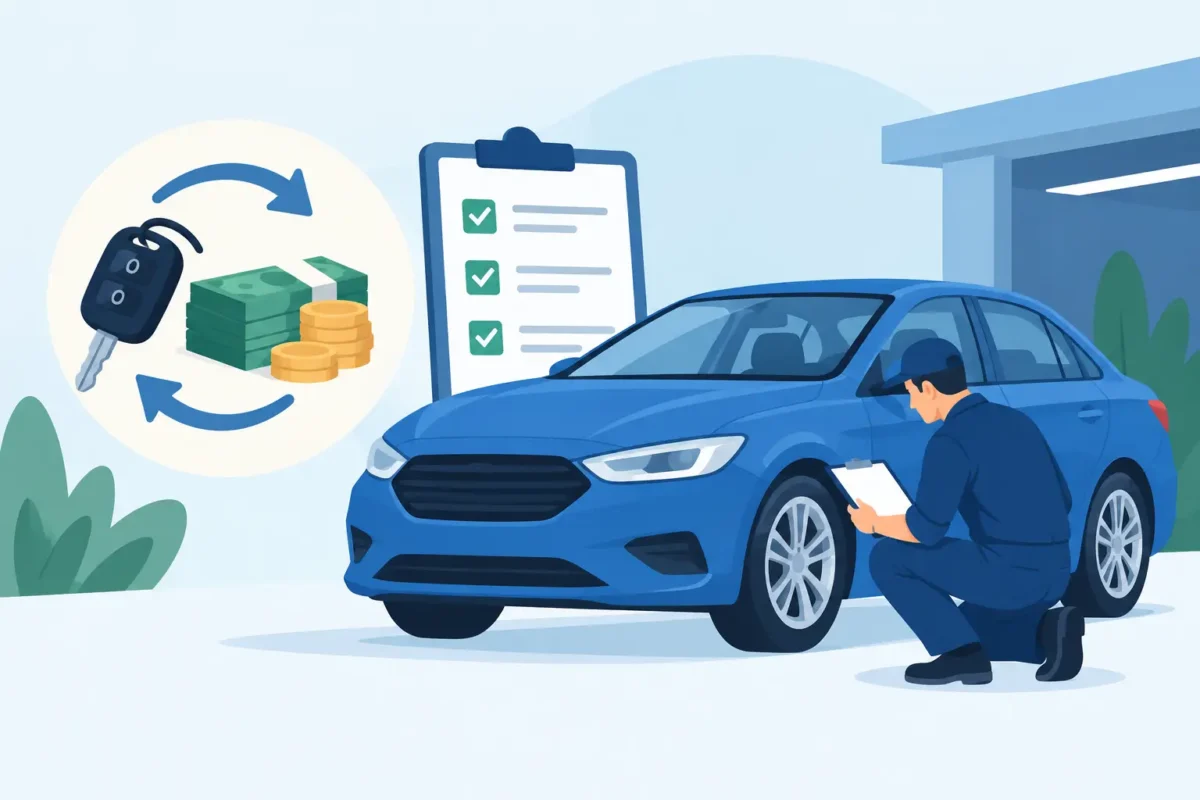
Your car is parked in the driveway, your current payment feels too high, and you are ready to see whether refinancing could help. Then one practical question can slow things down: does refinancing require vehicle inspection? The short answer is usually no – at least not the kind of in-person inspection many drivers expect. But some lenders may need to verify your vehicle’s condition, mileage, or value before finalizing an auto refinance loan.
That verification can look different from lender to lender. Knowing what may be requested helps you avoid surprises and move through the refinancing process with more confidence.
Does refinancing require vehicle inspection?
In many cases, auto loan refinancing does not require a traditional, in-person vehicle inspection. Lenders can often evaluate a vehicle using the year, make, model, trim, vehicle identification number (VIN), mileage, loan balance, and available market-value data.
Still, an inspection or vehicle verification may be required in certain situations. A lender may ask for photos, request confirmation of the odometer reading, or arrange an inspection through a third party. This is generally about confirming the vehicle is eligible collateral for the new loan, not judging whether your car is spotless or free from everyday wear.
The requirement often depends on the age and value of the vehicle, its mileage, the loan amount, and the lender’s underwriting guidelines. A newer vehicle with a clear history may need little beyond standard documentation. An older, high-mileage, heavily modified, or previously damaged vehicle may receive closer review.
Why a lender may need to verify your car
When you refinance, a new lender pays off your existing auto loan and becomes the lienholder on the vehicle. Because the vehicle helps secure the loan, the lender needs a reasonably accurate picture of what it is worth and whether it meets its eligibility requirements.
A verification helps the lender confirm basic details, including that the vehicle exists, the VIN matches your paperwork, and the reported mileage is accurate. It can also help identify significant damage that could affect value. This protects the lender, but it can also prevent a borrower from taking on a refinance loan that does not fit the vehicle’s actual value.
Vehicle verification is not necessarily a sign that something is wrong with your application. It is often just one part of the lender’s normal process. If a request comes up, responding quickly can help keep your refinance moving forward.
What a vehicle inspection can look like
Not all inspections involve taking time off work or driving to a physical location. Depending on the lender, you may simply be asked to upload a few current photos of the vehicle. Those images may include the front, rear, both sides, VIN plate, odometer, and any visible damage.
Some lenders use remote tools that guide you through taking and submitting photos from your phone. Others may ask you to schedule a brief inspection with a local third-party provider. In some cases, no additional verification is needed at all.
An inspection for refinancing is different from a state safety or emissions inspection. It does not replace any registration, safety, or emissions requirement in your state. It is also different from a pre-purchase inspection, where a mechanic evaluates a car’s mechanical condition before someone buys it.
Situations where an inspection is more likely
There is no universal rule, but a lender may be more likely to request verification when the vehicle has features that make its value harder to confirm. This can include a high-mileage vehicle, an older model year, an unusual trim level, or a vehicle with extensive aftermarket modifications.
A request may also be more likely when there is a mismatch between the information on your application and the lender’s available data. For example, the lender may need clarification if the mileage appears unusually low or high for the vehicle’s age, or if the VIN does not return a clean match.
Prior damage, salvage or rebuilt titles, and certain commercial-use histories can also affect eligibility. That does not mean refinancing is automatically out of reach. It means a lender may need more information before deciding whether and how it can offer financing.
Prepare before you apply
Getting organized before you request refinance offers can make the process easier. Start with the information on your current auto loan statement, including your account number, payoff amount, monthly payment, interest rate, and remaining term. You will also want your VIN, current mileage, registration, and proof of insurance available.
Take a quick, honest look at your vehicle, too. Normal wear such as small scratches, minor dings, or a worn interior is common and typically not the focus. However, if the vehicle has major body damage, warning lights, missing parts, or serious mechanical problems, be prepared to answer questions if a lender asks.
If photos are requested, take them in good daylight and make sure the vehicle is easy to see. Wipe dirt from the VIN plate or dashboard area if needed, and photograph the odometer clearly. Accurate photos reduce back-and-forth and help avoid delays.
Inspection requirements are only one piece of the refinance decision
Whether you need a vehicle inspection matters, but it is not the only factor that shapes your refinance options. Lenders also consider your credit profile, income, debt obligations, current loan details, and the relationship between the vehicle’s value and the amount you want to refinance.
That last point matters because a vehicle that has depreciated significantly may limit how much a lender can finance. If you owe more than the vehicle is worth, some lenders may still have options, while others may not. The terms you receive can vary based on the complete application, not just your car’s condition.
It is also worth looking beyond the monthly payment. Extending your repayment term may lower the payment, which can create welcome breathing room in your budget. But a longer term can also mean paying more total interest over time. Compare the interest rate, term length, total finance charge, and any applicable fees before accepting an offer.
What to do if a lender asks for an inspection
First, do not panic. Read the request carefully and find out exactly what the lender needs. It may be as simple as submitting photos and an odometer reading. Ask whether there is a deadline, whether the inspection costs anything, and how you will receive confirmation once it is complete.
Provide accurate information. Trying to hide damage or report an incorrect mileage figure can create bigger issues later, including delayed funding or a declined application. If something on your vehicle history is unusual, a straightforward explanation is usually more helpful than guessing.
Finally, keep working toward the result that matters: a loan that better fits your budget. A streamlined online refinance process can make it easier to explore your options without turning your schedule upside down. OpenRoad Lending helps eligible drivers see whether refinancing could lower their payment or improve their loan terms, with support available when questions come up.
A quick check can be worth the savings
For many drivers, a vehicle inspection will never be part of the refinance process. For others, a few photos or a short verification appointment may be the final step before a lender can finish reviewing the loan. Either way, it is a small consideration compared with the potential benefit of replacing an expensive auto loan with terms that give your budget more room to breathe.
Have your vehicle and loan details ready, review any request promptly, and focus on offers that make sense for your financial goals. The right refinance opportunity should feel clear, manageable, and worth your time.