
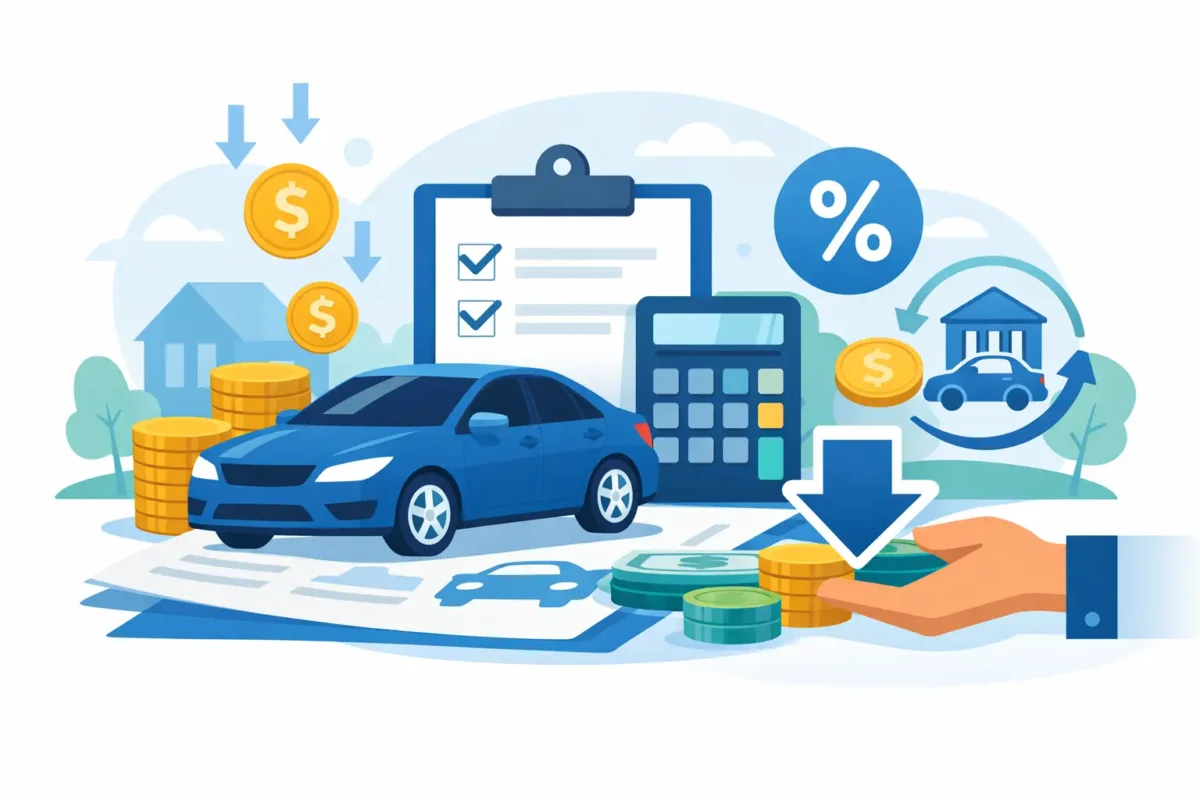
A car payment can feel fixed until the day it starts crowding out groceries, savings, or an unexpected repair. The good news is that auto loan payment options may give you more room in your budget than you think. Depending on your lender, loan balance, credit profile, and vehicle, you may be able to change how much you pay each month, when you pay it, or how quickly you pay the loan off.
The right choice is not always the one with the lowest payment. A lower monthly bill can provide immediate relief, but a longer repayment period may mean paying more interest over time. The goal is to choose an option that fits your household budget now while supporting your bigger financial goals.
Auto Loan Payment Options to Consider
Start by looking at the loan you have today. Find your current payment, interest rate, remaining balance, loan term, payoff date, and whether your contract includes a prepayment penalty. Most auto loans do not charge a penalty for paying early, but it is smart to confirm before making changes.
Once you have the numbers, these are the most common ways vehicle owners manage an auto payment.
Refinance your existing auto loan
Auto loan refinancing replaces your current loan with a new one. If you qualify for a lower interest rate, a different repayment term, or both, refinancing could lower your monthly payment and help you keep more cash available each month.
For example, your credit may have improved since you bought your vehicle, or market rates may be more favorable than the rate you accepted at the dealership. You may also have more equity in the car now than you did when the loan began. Those changes can create an opportunity for better terms.
A longer loan term is one common way refinancing can reduce the payment. That can be useful when your budget is under pressure. The trade-off is that extending the loan may increase the total interest you pay over the life of the loan. A lower rate can help offset that cost, but the final result depends on your approved terms.
Before you refinance, compare the new monthly payment, interest rate, remaining term, and total estimated cost. Focus on the full picture, not just the number due each month.
Choose a shorter term when your budget allows
If your payment is manageable and your priority is paying off the vehicle sooner, a shorter term can reduce the total interest paid. Your monthly payment will usually be higher, but you may own the vehicle free and clear sooner.
This approach tends to work best for borrowers with reliable income and enough room in their budget to handle a higher required payment. It may not be the best move if it leaves no cushion for insurance, maintenance, medical costs, or other household needs. A payment that looks good on paper should still leave you breathing room in real life.
Make extra payments toward principal
Paying more than your required amount can help reduce your principal balance faster. When less principal remains, there is less balance for interest to accrue on over time. Even small extra amounts can make a difference when applied consistently.
Check with your lender to make sure extra funds are applied to principal rather than simply treated as an early payment for the next due date. You may be able to make one larger payment after a bonus or tax refund, or add a modest amount to each monthly payment.
Extra payments are generally most helpful when you have already built an emergency fund and do not carry higher-interest debt. If putting an extra $100 toward your car loan means relying on a credit card for a surprise expense, protecting your cash reserve may be the better choice.
Adjust your payment due date
Sometimes the payment amount is not the real problem. The timing is. If your auto loan is due before your paycheck arrives, a due-date change may make the payment easier to manage without changing the loan itself.
Many lenders allow borrowers to request a due date that better aligns with their pay schedule. Approval and available dates vary, so contact your lender directly. Moving a due date is not the same as skipping a payment, and it does not erase what you owe. It can simply make your cash flow more predictable.
Use automatic payments carefully
Automatic payments can help you avoid late fees and protect your payment history. Setting up autopay shortly after payday can reduce the chance that another bill uses money set aside for your vehicle.
Some lenders may offer a small rate discount for enrolling in automatic payments, although this is not guaranteed. Before enrolling, make sure the linked account has enough funds every month. An overdraft fee can erase the convenience quickly.
If your income varies, consider using payment reminders instead of automatic withdrawals, or keep a dedicated bill-pay account with a planned balance. The best system is the one you can maintain consistently.
When a Lower Payment Makes Sense
A lower payment can be a practical financial move, not a failure to pay down debt quickly. It may make sense when you are rebuilding savings, dealing with a temporary income change, paying off expensive credit card balances, or managing a major family expense.
For many households, freeing up even a modest amount each month creates meaningful flexibility. That money can help cover rising insurance costs, routine maintenance, child care, or a needed emergency fund. If refinancing helps lower the payment while still giving you terms you understand and can afford, it may be worth exploring.
Still, look beyond the immediate relief. Ask how long you will be making payments after the change. Consider your vehicle’s age, mileage, reliability, and likely resale value. Extending a loan too far can create a situation where you owe more than the vehicle is worth for longer than expected.
What to Avoid When You Need Payment Relief
When a payment becomes difficult, acting early is usually better than waiting until you are behind. Late payments can lead to fees, credit damage, and more limited choices later. If you expect trouble making a payment, contact your current lender before the due date and ask what assistance or arrangements may be available.
Be cautious about options that only delay the problem. A payment deferral or extension may provide short-term breathing room, but interest can continue to accrue and the loan may be pushed out further. It can be appropriate during a genuine hardship, but make sure you understand exactly how it changes your payoff date and total cost.
Avoid using high-cost debt to make a car payment unless you have a clear, short-term repayment plan. Putting an auto payment on a high-interest credit card may turn one manageable bill into a more expensive cycle.
How to Compare a Refinance Offer
A refinance quote should be easy to understand. Review the proposed annual percentage rate, monthly payment, loan term, total amount financed, and any applicable fees. If a quote lowers your payment, ask whether the savings come from a lower rate, a longer term, or both.
It also helps to compare the new loan’s payoff timeline with your current one. A lower payment is valuable, especially when cash flow is tight, but you should know whether you will be paying for the vehicle for additional months or years.
Your eligibility will depend on factors such as credit history, income, the vehicle’s age and mileage, your current loan balance, and lender requirements. Applying for a quote can help turn assumptions into real numbers. At OpenRoad Lending, eligible vehicle owners can explore refinancing options online and receive a no-obligation quote, making it easier to see whether a better payment may be available.
Take the Next Step With Your Numbers
Pull out your latest loan statement and write down the payment, rate, balance, and remaining term. Then decide what you need most right now: a lower payment, a faster payoff, a due date that fits your pay schedule, or a clearer plan for getting ahead.
A vehicle should support your life, not strain every paycheck. The right payment option can give you more control, provided you compare the terms carefully and choose a monthly amount you can comfortably sustain.